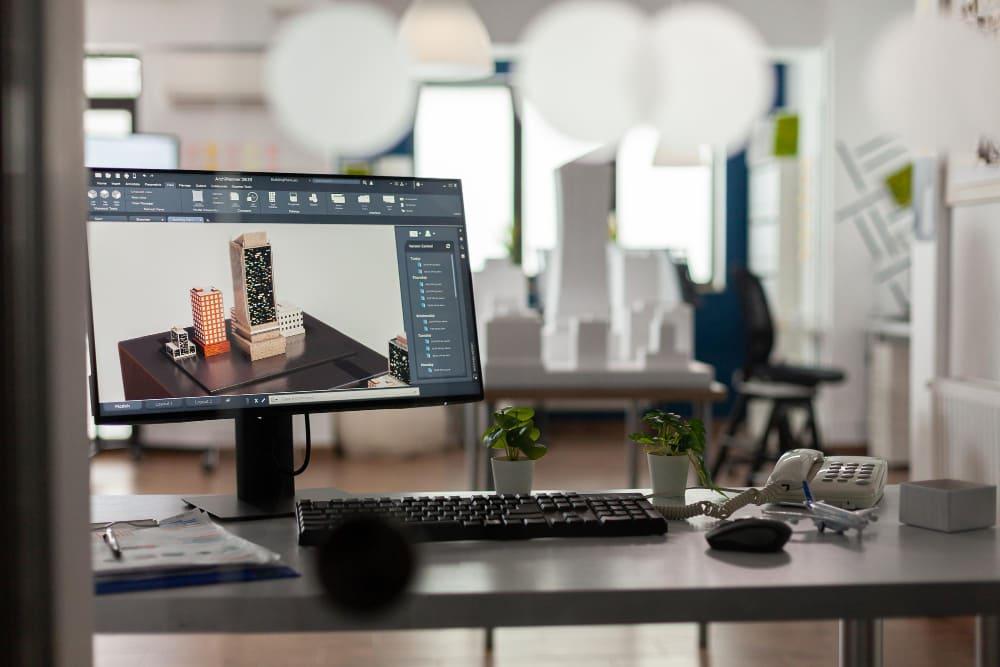
For decades, 3D rendering has been the cornerstone of visualization across countless industries, from architectural design to product marketing. Traditional static renders, while powerful in showcasing intricate details and realistic lighting, inherently present a snapshot – a singular perspective frozen in time. This approach, though effective for its era, often leaves a crucial gap: the ability for the viewer to truly engage with the object or environment, exploring it from every angle and understanding its spatial context beyond a predefined viewpoint. The passive consumption of images, however stunning, has begun to feel limiting in an increasingly interactive digital world.
The evolution of digital media has steadily pushed user expectations towards more dynamic and immersive experiences. Early forays into interactive 3D often involved simple 360-degree viewers or pre-rendered fly-through animations, which offered a degree of control but still lacked true real-time responsiveness and depth. These solutions, while a step forward, were often cumbersome to produce and limited in their interactive scope, often feeling more like a glorified video than a truly explorable space. The underlying technology wasn't quite ready to deliver seamless, high-fidelity interaction on a broad scale.
However, recent advancements in real-time rendering engines, graphics hardware, and web technologies like WebGL have dramatically shifted the landscape. What was once the exclusive domain of high-budget video games is now accessible for a multitude of professional applications. This technological leap allows for the creation of truly interactive 3D presentations that respond instantly to user input, offering unprecedented levels of exploration and customization. This paradigm shift moves us beyond mere visualization into a realm of experiential understanding, where viewers become active participants rather than passive observers, leading to a much richer and more informative engagement.
-
Research indicates a substantial increase in user engagement and comprehension when interactive 3D models are utilized compared to static imagery or videos, fostering a deeper connection.
-
Real-time 3D environments provide unparalleled flexibility for rapid design iterations, allowing stakeholders to explore modifications instantly and provide precise feedback.
-
The accessibility and cost-effectiveness of developing dynamic 3D presentations have significantly improved, making advanced visualization tools available to a wider range of businesses.
The transition from static renders to dynamic 3D presentations represents more than just a technological upgrade; it's a fundamental shift in how we communicate and understand complex spatial information. Interactive models empower users to manipulate objects, navigate spaces, and customize features in real-time. This level of control not only enhances understanding but also builds a stronger sense of ownership and connection with the presented concept, whether it's a new product, an architectural design, or an urban planning proposal. The ability to "touch" and "feel" a digital object before it exists physically is an invaluable asset.
For industries like architecture, engineering, product design, and real estate, the implications are profound. Imagine clients walking through a proposed building before construction begins, or potential customers customizing a product in real-time on a website. This capability drastically reduces miscommunications, accelerates decision-making, and minimizes costly revisions down the line. It transforms the client review process from a series of static image approvals into an immersive collaborative experience, ensuring all parties are on the same page and fully understand the vision.
While the perceived complexity of moving to dynamic 3D might seem daunting, modern tools and expert services are making this transition smoother than ever. Companies like PolyVista Studio specialize in bridging this gap, transforming traditional assets into engaging, interactive experiences. Our approach focuses on optimizing existing 3D models for real-time performance without sacrificing visual fidelity, ensuring that the benefits of interactivity are accessible without an overwhelming technical burden. This expertise allows businesses to leverage cutting-edge technology efficiently.
The horizon of dynamic 3D extends even further with the integration of virtual reality (VR) and augmented reality (AR). These technologies, built upon the foundation of real-time 3D, push the boundaries of immersion, allowing users to step inside virtual worlds or overlay digital content onto the physical environment. Such applications are no longer futuristic concepts but practical tools for training, simulation, and highly personalized marketing. The synergy between interactive 3D and immersive tech creates truly unforgettable experiences that resonate deeply with audiences.
Ultimately, embracing dynamic 3D presentations offers a significant competitive advantage. In a crowded marketplace, standing out means offering something truly unique and engaging. Businesses that adopt these advanced visualization techniques demonstrate innovation and a commitment to providing the best possible experience for their clients and customers. It’s about creating memorable interactions that not only inform but also inspire, leaving a lasting impression. PolyVista Studio is dedicated to helping clients achieve this elevated level of presentation.
-
Deliver superior product visualization and marketing campaigns that captivate audiences and drive stronger engagement and conversion rates.
-
Streamline design and development workflows through interactive prototyping, significantly reducing iteration cycles and accelerating project timelines.
-
Create highly effective, immersive training modules and educational content that enhance learning retention and practical skill development.

Felix Ferguson
This article really highlights the shift towards interactive 3D, which is something our industry desperately needs. The examples of client walkthroughs and product customization really resonate. Great insights from PolyVista Studio!
Thank you for your kind words! We believe interactive 3D is indeed the future, and we're excited to help businesses like yours embrace these transformative tools.
Sheila Anderson
Interesting points about the cost-effectiveness improving. I'm curious about the typical learning curve for designers transitioning from traditional rendering to real-time interactive platforms. Is it a steep learning curve for existing teams?
That's an excellent question! While there's certainly a learning curve, many modern tools are becoming more user-friendly. Our studio often works with clients to either manage the transition or handle the entire interactive development, minimizing the burden on their internal teams.