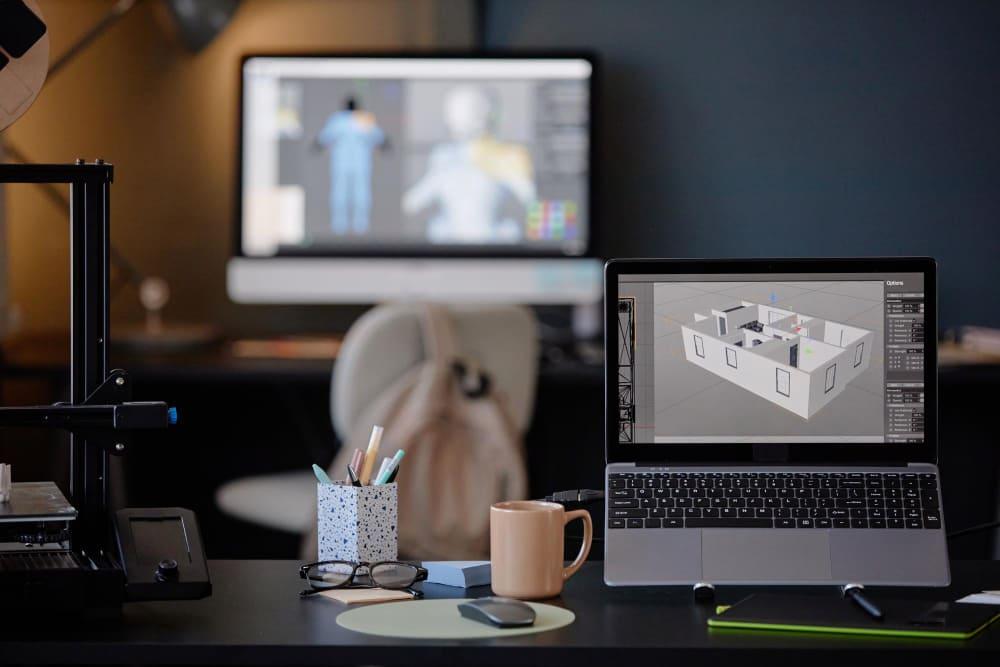
The landscape of professional work has undergone a dramatic transformation, with remote and hybrid models becoming the norm across numerous industries. While many sectors quickly adapted to virtual meetings and shared documents, fields heavily reliant on visual and spatial data, such as product design, architecture, and entertainment, faced unique challenges. The intricate nature of 3D models and the need for precise, real-time interaction presented significant hurdles to effective distributed collaboration. Early attempts often involved cumbersome file transfers, static screenshots, and endless email chains, severely limiting iterative design and collective input.
Historically, 3D design and development were deeply rooted in co-located teams, where designers, engineers, and stakeholders could huddle around a screen, physically point to details, and engage in spontaneous discussions. This physical proximity fostered a fluid exchange of ideas and rapid problem-solving. When teams began to disperse, the immediate loss of this dynamic interaction highlighted a critical gap in available tools and methodologies. The challenge wasn't just about sharing files; it was about recreating the collaborative environment, ensuring everyone could simultaneously visualize, manipulate, and contribute to complex 3D projects without geographical constraints.
Initial solutions often involved basic screen-sharing applications or proprietary software requiring all team members to have identical, powerful hardware and licenses, which was impractical for diverse, distributed teams. These methods frequently suffered from latency issues, limited interactivity, and a lack of integrated version control, leading to confusion and duplicated effort. The demand for more sophisticated, accessible, and real-time collaboration platforms grew exponentially as companies recognized the strategic advantages of tapping into a global talent pool and maintaining business continuity during unprecedented times. The industry was ripe for innovation in this specialized niche.
The advent of robust cloud computing infrastructure, coupled with significant advancements in web-based rendering and streaming technologies, began to pave the way for true remote 3D collaboration. These technological leaps allowed for complex 3D models to be processed and rendered on remote servers, then streamed interactively to users anywhere in the world, regardless of their local hardware capabilities. This shift democratized access to high-fidelity 3D environments, moving beyond the limitations of local workstations and setting the stage for truly integrated, real-time remote workflows that could support the most demanding projects, even for a company like PolyVista Studio.
Key Observations from Distributed 3D Workflows ✨
-
Traditional 2D communication, such as emails or flat images, is profoundly inadequate for conveying the spatial complexity and intricate details inherent in 3D models, leading to frequent misunderstandings and rework.
-
Real-time synchronization of changes and robust version control systems are absolutely essential for distributed 3D projects to prevent data loss, ensure consistency, and maintain a clear audit trail of design iterations.
-
Intuitive user interfaces and accessible tools are critical for broad adoption, enabling team members with varying technical proficiencies to effectively participate in and contribute to the 3D design process.
Analyzing the Remote 3D Collaboration Paradigm 💡
The transition to distributed teams for 3D projects represents more than just a logistical shift; it's a fundamental change in how creative and technical work is conceived and executed. While the benefits of accessing a global talent pool and reducing operational overhead are clear, the challenges of maintaining seamless communication and a shared understanding of complex spatial data cannot be underestimated. The success of remote 3D collaboration hinges on robust platforms that can mimic, and even surpass, the effectiveness of in-person interactions, allowing for immediate feedback and iterative design cycles.
Technological advancements have been the primary enablers of this paradigm shift. Cloud-based platforms, offering scalable computing power and centralized data storage, have liberated 3D designers from the constraints of powerful local workstations. Real-time rendering engines, coupled with high-speed internet, now allow for instantaneous updates and interactive manipulation of models across continents. Furthermore, the integration of virtual and augmented reality (VR/AR) is beginning to offer truly immersive collaborative environments, where teams can literally step into their designs together, experiencing them in full scale and context.
Beyond the technology, the human element remains paramount. Establishing clear communication protocols, defining roles, and fostering a culture of trust and transparency are vital for distributed teams. Regular virtual stand-ups, dedicated collaboration sessions, and the use of integrated communication tools alongside 3D platforms help bridge geographical gaps. It's not just about having the tools; it's about how teams adapt their workflows and interpersonal dynamics to leverage these tools effectively, ensuring every voice is heard and every contribution is valued.
The impact on project timelines and overall quality is significant. When properly implemented, remote 3D collaboration can actually accelerate development cycles. By enabling simultaneous contributions from different time zones and reducing travel time, projects can progress around the clock. Moreover, the ability to gather diverse perspectives from a global team often leads to more innovative and robust designs, as different cultural and technical backgrounds converge on a single project, enhancing problem-solving capabilities.
Security and data integrity are critical considerations when sharing sensitive 3D models across a distributed network. Robust encryption, access controls, and secure cloud storage are non-negotiable. Companies must implement stringent protocols to protect intellectual property and ensure that only authorized personnel can access and modify design files. Platforms that offer granular permissions and detailed activity logs provide peace of mind, ensuring that valuable assets are safeguarded throughout the collaborative process, a core principle for PolyVista Studio.
Looking ahead, the evolution of remote 3D collaboration will likely see even greater integration of AI for design assistance, automated conflict detection, and predictive analytics. More sophisticated haptic feedback systems and advanced VR/AR environments will create even more tangible and immersive collaborative experiences. The goal is to make the virtual workspace indistinguishable from, or even superior to, physical co-location, continuing to break down barriers and unlock unprecedented creative potential for distributed teams worldwide.
Outcomes & Future Applications 🎯
-
Global Talent Access: Remote 3D collaboration platforms enable companies to recruit the best talent worldwide, fostering diverse perspectives and leading to more innovative and globally relevant designs.
-
Optimized Project Delivery: Streamlined remote workflows reduce operational costs, eliminate travel time, and facilitate continuous work cycles, resulting in faster project completion and market entry.
-
Enhanced Client Engagement: Interactive 3D presentations and real-time feedback loops allow clients to participate more directly in the design process, regardless of their location, leading to higher satisfaction and clearer communication.

There are no comments yet