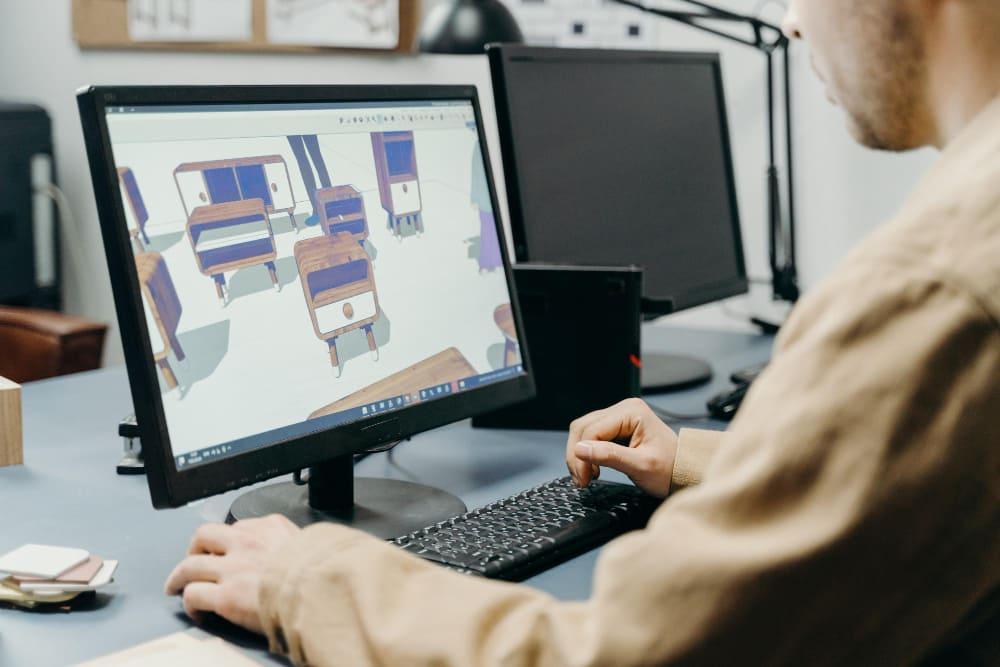
For decades, 3D design was an exclusive domain. It demanded significant investment in powerful hardware and expensive proprietary software. Traditional desktop applications, while robust, presented steep learning curves and tethered designers to specific workstations. This created a high barrier, limiting creators and making real-time collaboration a logistical challenge.
Early attempts to bring 3D design to the web often faltered. Limited browser capabilities, performance bottlenecks, and compatibility issues plagued these efforts. Technologies like Flash or Java applets were cumbersome, insecure, and failed to deliver the seamless experience users expected, highlighting immense technical hurdles.
However, the landscape shifted dramatically with advancements. WebGL revolutionized browser graphics, enabling complex 3D rendering directly. Coupled with WebAssembly for near-native performance and faster internet, the technical foundations for sophisticated browser-based 3D tools were finally laid. This convergence marked a pivotal moment for accessibility.
This technological evolution coincided with surging global demand for accessible 3D content across diverse sectors. From interactive product visualizations in e-commerce to immersive educational experiences, industries recognized 3D's transformative power. The urgent need for tools to democratize this power, without compromising quality, paved the way for innovation.
Key Shifts in 3D Design Paradigms
- Literature consistently points to a significant reduction in upfront costs for browser-based 3D solutions, eliminating expensive licenses and hardware upgrades.
- Studies highlight the unparalleled potential for real-time, cross-geographic collaboration, allowing teams to co-create and iterate on designs seamlessly from anywhere.
- Research indicates a substantial lowering of barriers to entry, fostering a more diverse and inclusive community of 3D designers and content creators globally.
Analyzing the Browser-Based Revolution
The most profound impact of browser-based 3D tools is the democratization of design. Sophisticated 3D modeling and rendering capabilities are no longer exclusive to those with deep pockets or specialized training. This shift empowers small businesses, independent creators, and educators, fostering innovation and significantly expanding the creative economy.
Real-time collaboration is a cornerstone of this new paradigm. Teams can now work on a single project concurrently, sharing feedback and making adjustments instantly. This eliminates cumbersome file versioning and emailing large assets. The agility gained through such integrated workflows drastically accelerates project timelines and enhances overall team productivity.
Performance, once a major concern, has been largely addressed. Modern browser-based platforms often leverage cloud computing for heavy rendering and complex simulations. This hybrid approach allows the client browser to handle interactive elements while offloading intensive tasks to powerful servers, ensuring a robust and responsive user experience.
Concerns surrounding data security and intellectual property in cloud environments are valid. However, advancements in encryption, secure server architectures, and robust access controls have significantly mitigated these risks. Reputable platforms, including PolyVista Studio, prioritize data integrity and user privacy with enterprise-grade security protocols.
Another compelling advantage is seamless integration with other web services. Browser-based 3D tools effortlessly connect with project management platforms, version control systems, and extensive asset libraries. This creates a unified, efficient ecosystem where designers can manage their entire workflow from a single interface, streamlining processes.
The shift towards browser-based solutions is not just a trend; it's a fundamental change in how 3D design is executed. Companies like PolyVista Studio are at the forefront of this revolution, developing intuitive, powerful, and accessible tools. Our commitment is to harness web technologies to deliver unparalleled creative freedom and collaborative efficiency.
The Road Ahead: Future Implications
- Expect widespread adoption of 3D design in non-traditional sectors, from marketing agencies creating interactive ads to educators building immersive learning experiences.
- A clear shift towards flexible, subscription-based models for 3D tools, making high-end capabilities accessible on a pay-as-you-go basis for all users.

Brooks Foster
This article really highlights the benefits of browser-based tools. I've been looking for something that offers both power and accessibility.
Grace Nguyen
It's interesting how security concerns are being addressed. I wonder how cloud security for 3D assets compares to local storage for really sensitive projects.
Reply to 1: We're glad to hear that! PolyVista Studio is designed to bring those benefits directly to you, empowering creators with intuitive and powerful browser-based solutions. Reply to 2: That's a great point. While cloud security is highly robust, for extremely sensitive projects, a hybrid approach combining local encryption with secure, audited cloud backups is often recommended.